







Search Results for: Short Black Coffee
The Difference Between Short Black, Long Black, and Americano: From Espresso to Dilution, Understanding the Australasian Black Coffee System in One Go
They're all black coffee, so what exactly is the difference between a short black, a long black, and an Americano? The key actually lies in the amount of water used and the degree to which the crema is retained. A short black is simply an espresso with no added water, giving it the most concentrated flavor; a long black is made by pouring water first and then adding the espresso, which preserves the crema more completely and gives it a fuller mouthfeel; an Americano, on the other hand, involves adding a large amount of hot water to the espresso, making the overall drink lighter. This article will start from the preparation steps and ratios to sort out the differences between these three black coffees, and explain why the Australia-New Zealand region insists on using its own naming conventions. It will also introduce several Front Street Coffee espresso blends suitable for espresso extraction, helping you choose the right beans to make a cup of black coffee that meets your expectations. [more…]

Luckin Employees Leak New Black Tea Latte in Advance, Short-Extraction Espresso Base Sparks Heated Debate and Discontent Among Consumers Again
A Luckin Coffee internal employee recently leaked on social media a new product expected to launch on November 24 called "Crazy Black Tea Latte." A video showing its preparation reveals that the drink still uses a short-extraction espresso as its coffee base, and the news quickly sparked heated discussion online. Many consumers expressed strong dissatisfaction with the short-extraction espresso, arguing that its coffee liquid volume is only about 20 milliliters and that once tea or fruit is added, the coffee flavor is severely masked, leaving the taste as bland as water. Although some customers tried to request a switch to Italian-style ristretto via order notes, they were often refused by stores. The controversy surrounding Luckin Coffee's choice of coffee base continues to intensify. [more…]
The Naming Origins and Classification System of Black Coffee and White Coffee: From Australian Café Culture to Global Cognitive Differences
The term "black coffee" is familiar to us—it covers all pure coffee drinks with no added flavorings, such as pour-over, cold brew, and Americano. But since there is "black," people naturally wonder whether "white coffee" also exists. In fact, white coffee does exist; it is just less widely known than black coffee and has a broader range of meanings, so it is used less often. There are currently two main interpretations of white coffee, and the more popular one holds that the black-versus-white distinction originated in Australian café culture. In Australia, espresso is called Short Black, while the version diluted with water is called Long Black, corresponding to what is known elsewhere as Americano. Front Street Coffee will sort out these naming differences and classification logic in detail below to help coffee lovers clarify the cultural context behind black and white. [more…]

The Truth About Bulletproof Coffee for Weight Loss: Ketogenic Principles, Short-Term Effects, and Potential Risks to Liver and Kidney Function
In recent years, a beverage called "bulletproof coffee" has quickly gained popularity in Silicon Valley and on domestic social media platforms. Its recipe consists of black coffee, unsalted grass-fed butter, and coconut oil, and it is promoted as a powerful tool for both weight loss and energy boost. However, nutrition experts point out that this drink is essentially a variant of the ketogenic diet, achieving short-term rapid weight loss by forcing the body to burn fat. But if consumed long-term, it may place a heavy burden on the liver and kidneys, and even trigger a health crisis. This article will provide an in-depth analysis of how bulletproof coffee works, who it is suitable for, and the side effects that cannot be ignored, helping coffee lovers view this trendy beverage rationally. [more…]
What exactly does black coffee encompass? A complete breakdown from Americano and pour-over to moka pot
On short-video platforms, many bloggers hold a drink that looks like an Americano but call it "black coffee," which leaves many coffee newcomers wondering: are black coffee and Americano actually the same thing? In fact, black coffee is an extremely broad concept, and it is not equivalent to Americano. Espresso, pour-over, siphon, cold brew, and even moka pot coffee can all be classified as black coffee, as long as the ingredients consist solely of water and coffee substances. This article will list the common members of the black coffee family one by one, clarify their relationship with Americano, and recommend suitable Front Street Coffee beans for different brewing devices. [more…]
The definition of black coffee and its connection to Americano—do pour-over, siphon, cold brew, and moka pot all count? Also discussing the differences between moka pot and espresso machine
In short videos, you often see bloggers holding a cup of deep-colored coffee and calling it "black coffee," which leads many friends new to coffee to ask: Is black coffee the same as Americano? What exactly is the difference between the two? In fact, black coffee is a broad umbrella term—as long as the cup contains nothing besides coffee substances and plain water, it can be classified under this system. Starting from the definition, this article sorts through common black coffee members such as Americano, pour-over, siphon, cold brew, and moka pot, explains their respective extraction characteristics, and also compares the similarities and differences between moka pots and espresso machines in pressure extraction. Finally, it offers bean selection directions suitable for beginners, including several recommendations from the Front Street series. [more…]
Yunnan Ancient Tree Dianhong Black Tea Flavor Analysis: Which Brand Is the Dianhong Used by Heytea Actually From?
Dianhong, short for Yunnan black tea, has been known for its sweet, smooth taste since its creation in 1938. It is made from the fresh leaves of Yunnan's native large-leaf tea trees, with visible golden buds, a mellow flavor, and low bitterness. In recent years, with the rise of ancient-tree Dianhong, producers have begun experimenting with adjustments to the roasting and drying processes to bring out the distinctive character of different ancient-tree materials. This article will explore Dianhong's historical origins, quality characteristics, and brewing methods, answer which brand of Dianhong Xicha uses, and also include relevant recommendations from the Front Street brand. [more…]

Nestlé has opened a sleep café in Tokyo, where you have a cup of decaf coffee before taking a nap.
Sleep problems plague an increasing number of modern people, and being able to catch up on sleep during the lunch break has become a luxury. Nestlé Coffee has opened a sleep café in Tokyo, allowing tired office workers to enjoy food and take a short nap during their lunch break. Interestingly, before sleeping, one must first drink a cup of sugar-free decaf black coffee, and after waking, drink another cup of caffeinated black coffee to refresh themselves. Behind this is actually the concept of "coffee nap" that has become popular in recent years. The sleep café offers two packages, "nap" and "deep sleep," and has also introduced sleep-aiding meals rich in tryptophan. What health risks does long-term sleep deprivation bring? If this model were introduced in China, would you go try it? [more…]
What Is Bulletproof Coffee? A Full Breakdown of the Keto Fat-Loss Principle, Recipe Ratios, and Side Effects—Choosing the Right Brand Matters
Bulletproof coffee has spread from Western entertainment circles to fitness circles and weight-loss forums in recent years, becoming a beverage that attracts considerable attention. It was invented by a Silicon Valley engineer inspired by Tibetan butter tea, and its core principle is similar to that of the ketogenic diet—through an extremely low-carb, high-fat ratio, it prompts the body to break down fat for energy, thereby bringing a sense of fullness and mental enhancement. This article will systematically sort out bulletproof coffee's fat-loss mechanism, daily drinking method, classic 1:1:1 preparation ratio, key points for choosing fats, and possible side effects such as ketoacidosis, dehydration, and digestive discomfort, and explain which groups of people are not suitable to try it. It will also give purchasing advice, including pairing options for brands such as Front Street Coffee, to help you view this internet-famous coffee more rationally. [more…]
The Core Difference Between Americano and Long Black: It's Not Just About the Order of Pouring Water
Many people believe that the difference between an Americano and a Long Black lies in whether you pour the water first or the espresso first—but is that really true? Starting from a conversation at a Front Street Coffee location, this article takes a deep dive into the essential differences between these two black coffees in terms of brewing logic, cup ratio, and flavor goals. The Americano originated from the need of American GIs during World War II to dilute espresso; it is flexible to make and can be served hot or iced. The Long Black, beloved by Australians, by contrast emphasizes pouring water first and espresso second, in order to preserve the crema and layers of flavor, with a smaller cup size and stricter ratios. Using Front Street Coffee's serving parameters as an example, the article also explains in concrete terms the practical differences among hot Americano, iced Americano, and Long Black in extraction yield, water temperature, and coffee-to-water ratio, helping coffee lovers truly understand these two black coffees that seem similar but each have their own particularities. [more…]
The Difference Between a Long Black and an Americano: The Order of Espresso and Water Isn't the Key—The Difference in Strength Is the Essence
Many people think that adding water first and then espresso makes a Long Black, while adding espresso first and then water makes an Americano—but is that really true? Front Street Coffee sorts through the real differences between Americano and Australian Long Black one by one, from the order of preparation and concentration ratios to flavor expression. The article points out that the biggest difference between the two actually lies in concentration—Americano has more water and a lighter mouthfeel, while Long Black is rich and full-bodied. It also recommends an espresso blend suitable for practice and Front Street Coffee's Strawberry Candy Espresso, helping coffee lovers more intuitively understand the distinct charms of these two black coffees. [more…]
A Detailed Guide to Brazil's Main Coffee Variety Catuai: Flavor Characteristics, Growing Conditions, and the Proper Way to Drink Black Coffee
As the world's largest coffee producer, Brazil is known as the "Coffee Kingdom." Locals treat guests to small cups of strong black coffee called "cafezinho," much like the Chinese serve tea. Among the many Brazilian coffee varieties, Catuai, along with Caturra, Mundo Novo, and Bourbon, is considered one of the four mainstays. This article will introduce in detail the origins of Catuai, its plant characteristics, elevation requirements for cultivation, disease resistance, and flavor profile, while also guiding you through the proper way to enjoy Brazilian black coffee. Front Street Coffee is always dedicated to sharing coffee knowledge, and holds three low-discount events each month so more people can enjoy good coffee at affordable prices. [more…]
Analyzing the Differences Between Americano and Long Black Coffee: A Comprehensive Comparison from Water Order to Espresso Extraction
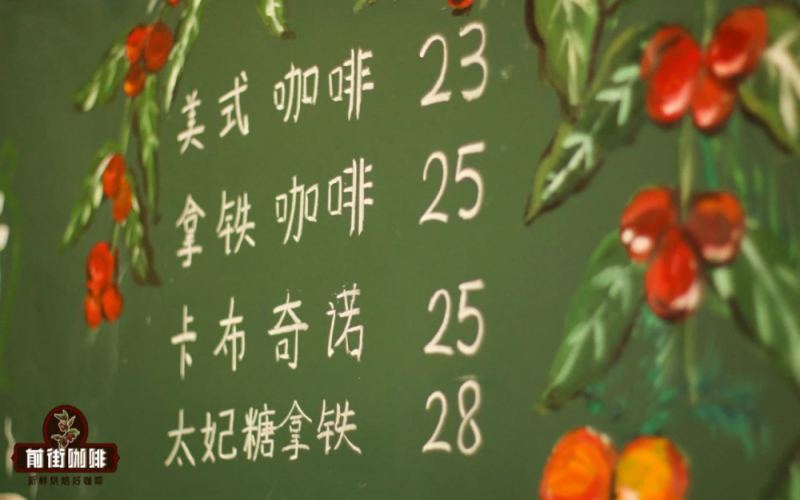
As a globally recognized coffee beverage, Americano is essentially nothing more than espresso diluted with water. Yet the Australian Long Black, also made from espresso and water, has its own distinct method and flavor profile. What exactly is the difference between the two? Is the widely circulated claim of "water first, then coffee" accurate? This article, from the perspective of Front Street Coffee, sorts out the real differences between Americano and Long Black in terms of water volume, concentration, and the degree to which crema is preserved, and also introduces the extraction characteristics of Lungo. In addition, for the problem of homemade Americano tasting too sour, practical advice on bean selection and extraction adjustment will be provided, helping coffee enthusiasts gain a more comprehensive understanding of these seemingly simple black coffees, each with its own nuances. [more…]
Why Is Americano So Sour? A Detailed Guide to Standard Americano Preparation and Optimal Extraction Parameters
As a classic coffee beverage enjoyed worldwide, Americano seems simple to make—just add water to espresso—yet many people find that their homemade Americano tastes too sour and lacks a rich, mellow body. From the perspective of Front Street Coffee, this article systematically sorts out the real differences between Americano and Australian Long Black in terms of preparation order and water ratio, and further introduces the extraction characteristics of Lungo. At the same time, it offers specific adjustment suggestions for the two main causes of overly sour Americano—too light a roast level and insufficient extraction. The article also recommends coffee beans suitable for making Americano and lattes, such as Front Street Black Cocoa Blend, Front Street Commercial Blend, and Front Street Classic Espresso Blend, helping coffee lovers achieve more stable flavor performance in their daily brewing. [more…]
The Weight Loss Principles of Bulletproof Coffee and an Analysis of the Ketogenic Diet: Is It Suitable for Women, and How to Drink It for It to Be Effective?
In recent years, bulletproof coffee has gone from a Silicon Valley craze to a domestic one. Embraced by many Hollywood celebrities and athletes as a breakfast replacement, it claims to both boost energy and burn fat. Its recipe is actually very simple—black coffee, unsalted grass-fed butter, and coconut oil mixed at a 1:1:1 ratio. Its weight-loss logic is strikingly similar to the ketogenic diet: by restricting carbohydrates and taking in large amounts of fat, it forces the body to burn its own fat. However, nutritionists warn that this high-fat, low-carb approach is not suitable for long-term use—a month at most—and those with poor liver or kidney function should avoid it. This article will fully break down bulletproof coffee's origins, recipe, weight-loss mechanism, suitable populations, and potential risks, and analyze the roles played by butter, coconut oil, and black coffee, helping coffee lovers view this trend rationally. [more…]
How to Properly Drink a Long Black | Is a Long Black Just an Americano? What Does a Long Black Taste Like?
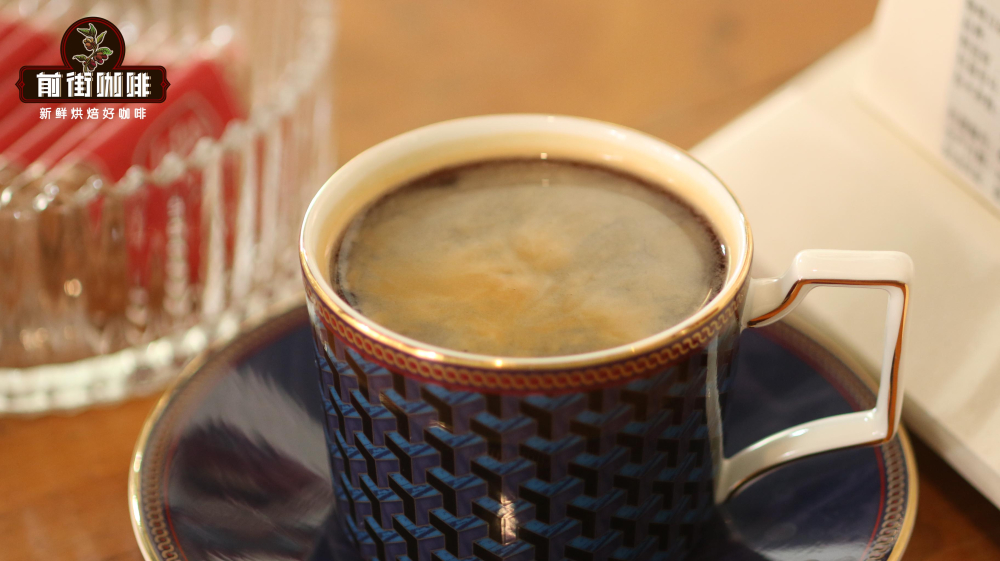
Many friends are very curious about long black coffee. On the surface, it doesn't look much different from Americano, which leaves many people confused about the distinction between long black and Americano. Long black is a black coffee that originated in Australia. [more…]
What exactly does white coffee refer to? The characteristics of Malaysian white coffee, its preparation method, and the differences from black coffee
In the world of coffee, black coffee is an all-too-familiar concept: it refers to pure coffee with nothing added besides water that could affect the flavor, and pour-over, cold brew, and Americano all fall into this category. Since there is black coffee, does white coffee also exist? The answer is yes—it's just that the definition of white coffee is not as uniform as that of black coffee, and its scope is broader. This article will sort out the two main interpretations of white coffee, review its origins in the Australian context alongside black coffee, and focus on introducing the production process and flavor characteristics of Malaysian white coffee, helping coffee enthusiasts clarify this concept. [more…]
Why does Turkish coffee deliberately retain the coffee grounds? An analysis of the ultra-fine grind and the no-filter tradition
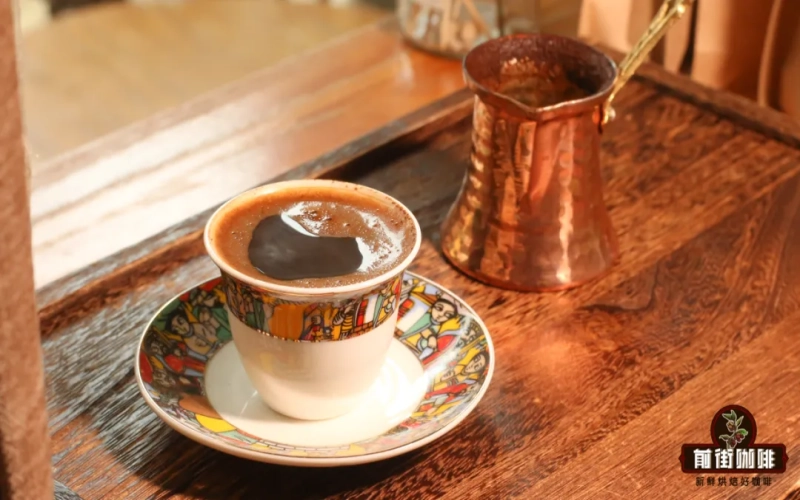
In an era where filter brewing devices are highly popular, Turkish coffee still insists on being consumed with the grounds, powder and all. This is not backwardness or laziness, but rather something shaped jointly by its sand-brewing extraction method, extremely fine grind size, and deep cultural tradition. From the perspective of Front Street, this article explains why Turkish coffee is not filtered: just how fine its grind really is, how it differs from espresso grounds, how the coffee powder quickly settles in a short time and gives the coffee a rich mouthfeel, and the fortune-telling custom that has arisen from keeping the grounds, helping you fully understand the logic behind this unique coffee culture. [more…]
Long Black Coffee|What is Australian Black Coffee? How Does It Differ from Americano? Introduction to the Standard Method of Making Long Black Coffee
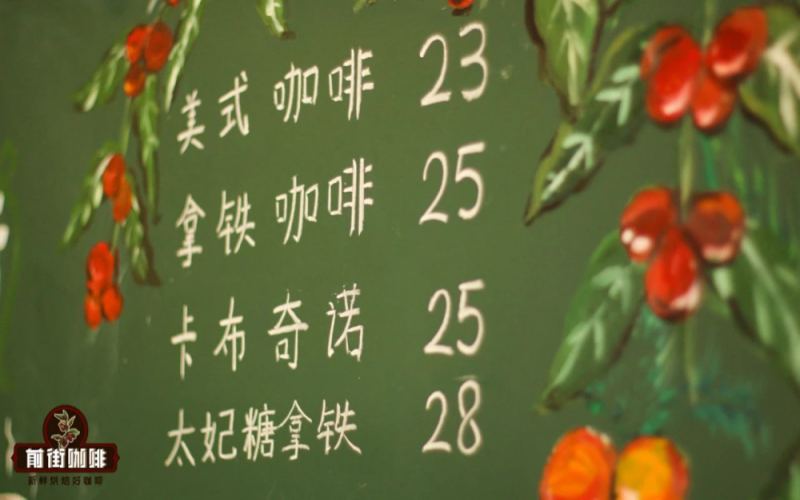
Americano is arguably a world-renowned coffee drink familiar to everyone. Its composition is also very simple: espresso diluted with an appropriate amount of water. In Australia, there is also a local specialty coffee called "Long Black," which is likewise made from espresso and water. In Australia [more…]
What Is Japanese Black Tea (Wakoucha)? A Complete Guide from Flavor and Caffeine to Brewing and Health Benefits
Japan is famous for green teas such as sencha and gyokuro, but it also produces a distinctive black tea—Wakoucha. Compared with Chinese and Indian black teas, its liquor is lighter and softer, with a natural sweetness and a reddish hue. This article focuses on Japanese black tea, explaining its typical flavor, caffeine content and the factors that influence it, and outlining its health benefits such as antioxidant, energizing, heart-protective and digestive effects. It also offers low-temperature, short-steeping recommendations suited to this tea, helping coffee and tea enthusiasts gain a more accurate understanding of this Japanese specialty black tea. [more…]